
Intel LXT908LE: The Definitive Guide to a Pioneering Octal Transceiver
In the landscape of digital communications and network hardware, certain components stand out not merely for their functionality but for their foundational impact. The Intel LXT908LE is one such integrated circuit—a pioneering octal transceiver that carved a significant niche in data transmission technology. This device exemplifies the engineering prowess required to meet the growing demands for speed, reliability, and integration in networking equipment during its era.
The LXT908LE is an octal transceiver, meaning it integrates eight independent transceiver channels into a single package. Each channel is capable of both transmitting and receiving data, making it an exceptionally efficient solution for bidirectional data buses and parallel communication paths. Its primary application was in high-speed network interfaces, such as those found in routers, switches, network interface cards (NICs), and enterprise-grade computing systems where parallel data handling was paramount.
A key feature of the LXT908LE was its support for LVTTL (Low Voltage Transistor-Transistor Logic) interfaces. This allowed it to operate at lower voltages—typically 3.3V—which was a significant advancement over older 5V technology. Lower voltage operation translated into reduced power consumption and less heat generation, critical factors for increasing port density in networking hardware and improving overall system reliability.
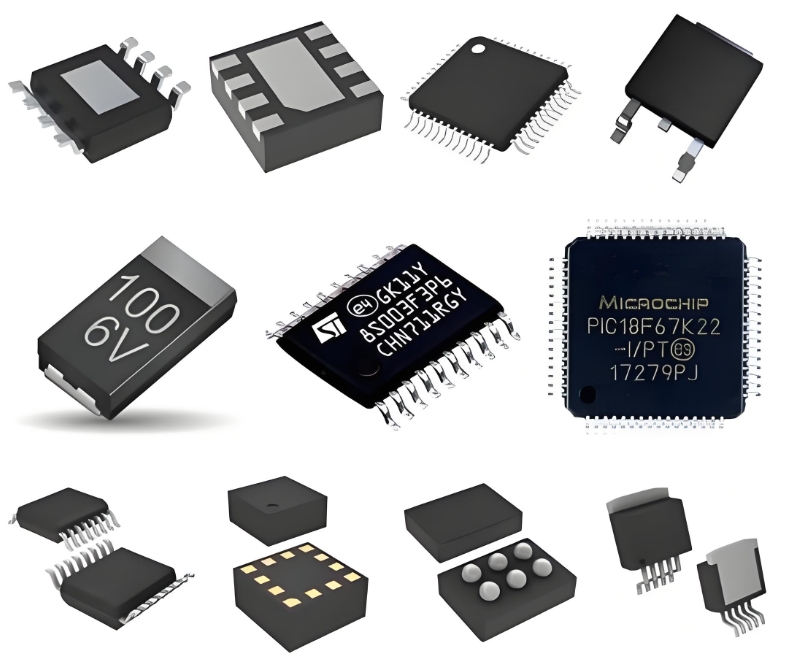
The device was designed for hot insertion capability, a vital characteristic for systems requiring high availability. This feature permitted the installation or removal of hardware components without powering down the entire system, thereby minimizing downtime in mission-critical environments. Furthermore, it incorporated robust ESD (Electrostatic Discharge) protection, safeguarding the sensitive internal circuitry from static electricity during handling and operation, which enhanced its durability and mean time between failures (MTBF).
Internally, the LXT908LE utilized advanced CMOS technology, which contributed to its low power dissipation and high noise immunity. Its tri-state outputs provided excellent bus management, allowing multiple devices to share a common data bus without interference. The transceiver also featured flow-through pin architecture, which simplified PCB (Printed Circuit Board) layout by aligning inputs and outputs on opposite sides of the package, thereby reducing signal path lengths and minimizing potential signal integrity issues.
In practical terms, the LXT908LE served as a critical glue logic component in telecommunications infrastructure. It facilitated the seamless conversion and routing of data between different subsystems, ensuring integrity and timing were maintained across high-speed parallel data paths. Its role was often behind the scenes, but it was indispensable for maintaining the data throughput and stability required by evolving network standards.
ICGOOODFIND: The Intel LXT908LE stands as a testament to the innovation in late 20th-century semiconductor design, addressing critical needs for integration, power efficiency, and reliability in networking hardware. Its legacy lies in enabling the robust, high-performance communication infrastructure that paved the way for modern data networks.
Keywords: Octal Transceiver, LVTTL Interface, Hot Insertion, ESD Protection, Data Communication

